The Interview Face: Five Products That Read Competent on Camera
A hybrid interview means makeup that survives a flattening webcam and harsh office light. Five products, structure over coverage, matte where the camera bounces.
The cruelest thing about a video interview is that the camera is working against you the whole time. A laptop webcam is a small, low-resolution sensor, and it does two things to a face: it flattens it, erasing the depth that makes your features read in person, and it turns any shine into a glaring hot spot. Then you walk into the in-person round under flat overhead office lighting, which does its own damage. The makeup that handles both is not about more coverage. It is about structure where the camera steals it and matte where the camera bounces, and it takes five products.
I have done enough early-morning interview prep, my own and other people’s, to know the instinct is exactly wrong. People reach for full-coverage foundation and a glowy highlighter, trying to look polished and fresh. On a webcam that combination reads as a flat, shiny mask. The fix is counterintuitive: less base, more sculpting, and a deliberate matte in the zones that catch light. Think of it as building back the dimension the lens flattens, then killing the shine the lens exaggerates.
The five products, and what each one is fixing
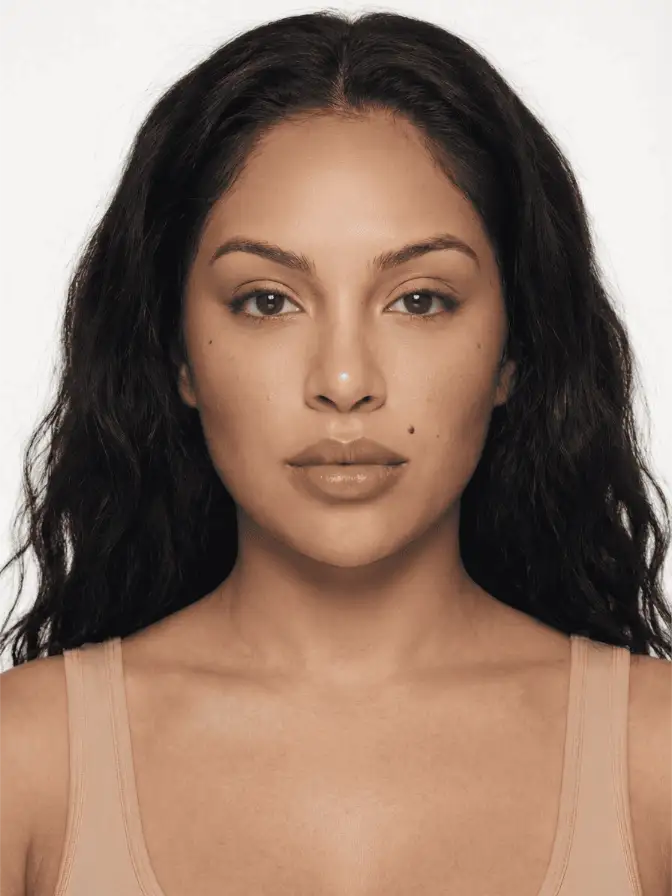
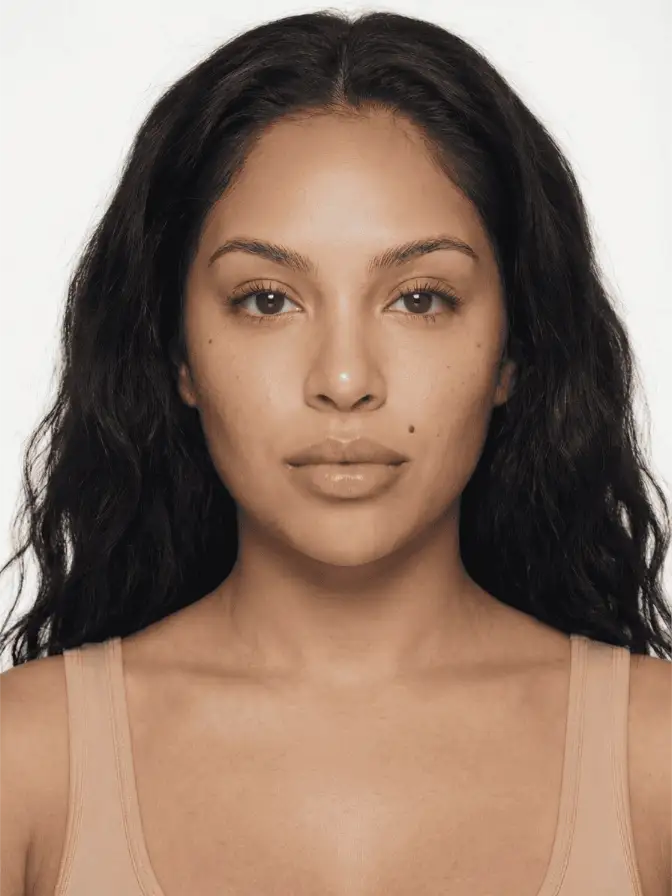
One: a demi-matte skin tint, not a full-coverage foundation. You want your skin to look like skin, because a heavy base is what tips an interview face into “trying too hard,” and it photographs as a uniform sheet on camera. A medium-coverage skin tint with a satin-to-matte finish evens you out while keeping some texture, which reads as real. The whole logic of no-makeup makeup applies here: the goal is a believable face, not a flawless one. Apply it thin, concentrate it in the center, and let the edges fade.
Two: a brightening concealer under the eyes. This is the single highest-value product in the kit. The webcam loves to drop shadows into your under-eye hollows, and dark under-eyes read, fairly or not, as tired and uncertain. A creamy concealer a shade lighter than your base, something like NARS Radiant Creamy at $32, placed in a small triangle under the eye and blended up, makes you look alert and awake. Alert is most of what “competent on camera” actually means.
Three: a cream bronzer or soft contour to rebuild structure. This is the product people skip and the reason their video-call face looks flat. With the camera erasing depth, you have to put it back manually. A soft cream bronzer pressed along the cheekbone, the temples, and lightly under the jaw gives the lens an edge to find. Cream over powder, because cream melts into skin and avoids the dusty, overdone look that a corporate professional interview is not the place for. Keep it subtle; you are suggesting bone structure, not contouring for a stage.
Four: a brow gel. Brows frame the face and, on a flattening camera, they are one of the few features that hold their definition. A tinted brow gel like Glossier Boy Brow at $18 brushes them up and sets them in place, which communicates groomed competence without a single dramatic move. This is the fastest two-second upgrade in the routine.
Five: a satin my-lips-but-better lip. Not a gloss, because gloss catches webcam glare and looks wet and distracting every time you talk, and not a dry matte, which can age you and look severe in person. A satin or cream finish in a slightly-deeper-than-your-natural shade, the Charlotte Tilbury Pillow Talk register, looks intentional and pulls the whole face together. It survives a glass of water and reads the same on screen and across a conference table.
The matte rule, and the order of operations
Here is the part that ties it together. After the five products go on, take a translucent powder, Laura Mercier’s at around $46 or any finely milled one you own, and powder only three zones: the forehead, the nose, and over the under-eye concealer. Those are exactly where a webcam throws its hot spots and where concealer tends to crease. Leave the tops of the cheekbones unpowdered so you keep a little natural light there for the in-person half. That selective matte is the difference between looking composed and looking like you are sweating through the questions.
Sequence matters because you are short on time and nerves. Skin tint first, then concealer, then set those two zones with powder before you add the cream bronzer, so the cream has a smooth surface to grip. Bronzer, brows, lip, and a single coat of mascara to open the eyes. The whole thing is a five-product routine plus powder and mascara you already own, and it runs in under ten minutes once you have done it twice.
The in-person round asks slightly different things of the same face, which is why this kit is built to bridge both. Conference rooms tend toward flat fluorescent or downlight that drains warmth and finds every crease, so the cream bronzer that rebuilt your structure on camera is also what keeps you from looking washed out across a table. The little radiance you left on the cheekbones, the part you deliberately did not powder, does its work here, reading as health rather than the shine a webcam would have punished. One face, two lighting situations, no touch-up required between them beyond a blot if the nerves show.
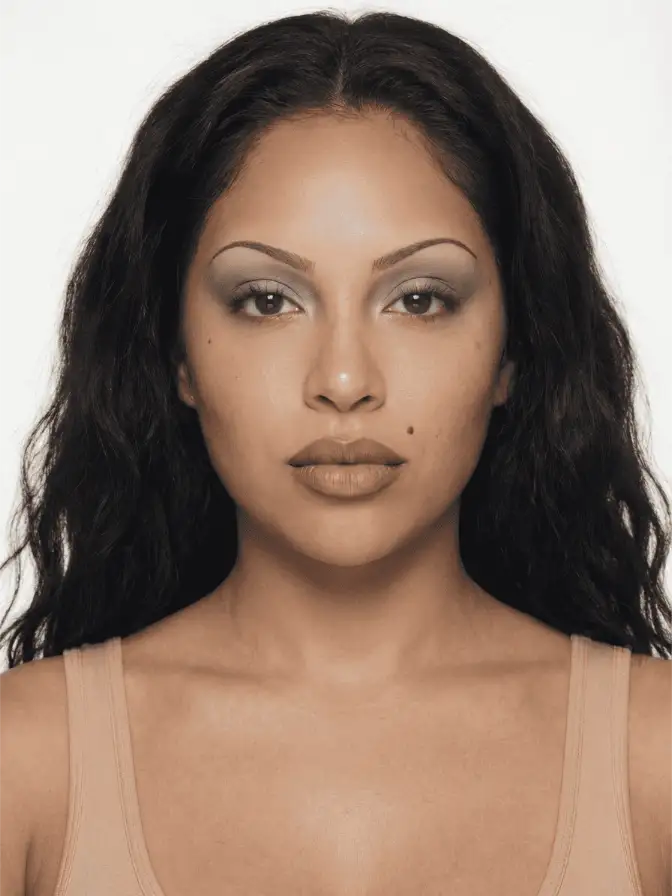
A note on color and restraint, because interviews are not the moment for a statement. The polished, slightly sharpened version of this, with a defined lip and stronger brow, edges toward office siren territory, and whether you want that depends entirely on the role and the room. For most interviews, dial it back: the makeup should make you look like the most rested, put-together version of yourself, not like you are auditioning for a different job than the one you want. Test it on camera the night before. Open your laptop, sit under the lighting you will actually use, and check for shine and shadow before it counts. The face that reads competent is the one you have already seen on the screen once.
Frequently asked
What makeup looks best on a webcam?
Structure and a matte-leaning finish. A webcam flattens your features and turns any shine into a hot spot, so you want soft contour or bronzer to rebuild dimension, brightening under the eyes, and powder on the T-zone. Skip heavy shimmer and dewy highlighter, which read as oily on a low-resolution sensor.
Should you wear matte or dewy makeup for a job interview?
Lean matte, but not flat. Full dewy glow blows out under a webcam and overhead office lighting, while a stone-matte face can look tired in person. Aim for a satin base with the shine controlled where the camera catches it: forehead, nose, and under the eyes. Keep a little natural radiance on the cheekbones for the in-person half.
Continue reading
- routines Festival makeup that survives three days of heat A realistic kit and a sweat-proof sequence for multi-day outdoor festivals: thin cream-then-powder layering, the setting-spray sandwich, and the lash call.
- routines Makeup for Glasses, Sorted by Your Prescription Minus lenses shrink the eye, plus lenses magnify it. Two short makeup routines built around that one optical fact, with finish choices and a brow note.
- routines The Sport-Luxe Routine: Five Products for an Active Day Searches for 'glowy skin routine' grew 216% this spring. Here are the five products that build the sweatproof Winning Glam finish.