Mary Phillips and the Rise of Underpainting
She put contour and highlight on before foundation, called it underpainting, and reset how a generation does complexion. A profile of the artist behind the trick.
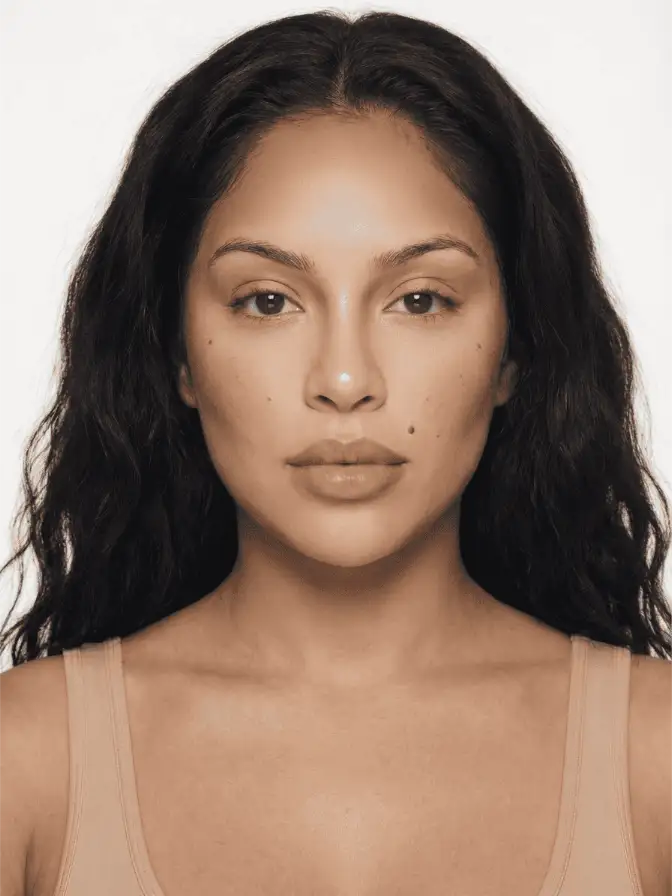
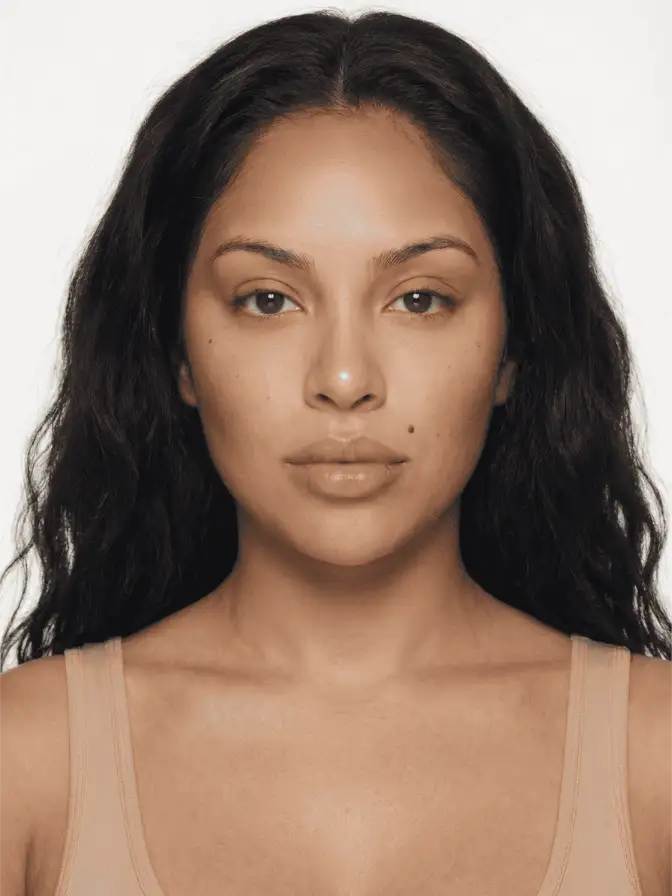
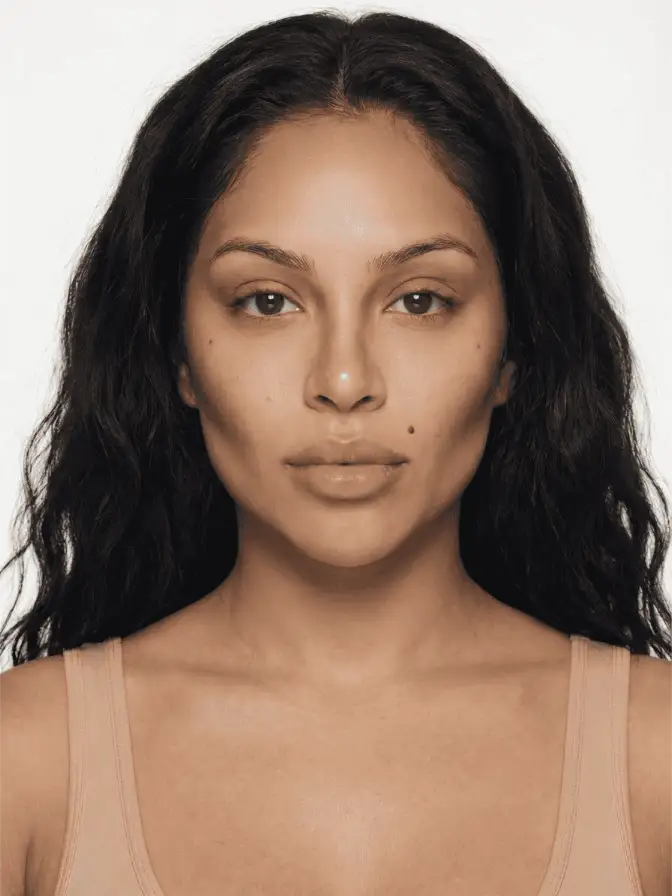
For most of the last decade, the rule of complexion makeup was clear and rarely questioned: foundation first, then everything else. Contour, highlight, blush, all of it layered on top of an even base. Then a working makeup artist flipped the order in front of a phone camera, and a generation that thought it knew how to do its face started over.
Mary Phillips didn’t invent applying color under foundation; artists have layered that way for years, and you can find versions of the idea going back through old studio techniques. What she did was name it, demonstrate it clearly, and attach it to faces people already wanted to look like. By late 2025, when she pulled the curtain back on the method, it stopped being a pro secret and became, in the words of W Magazine, “a full-blown beauty obsession.”
The client list as proof of concept
Phillips works at the very top of the celebrity tier. Her credits include Kendall Jenner, Hailey Bieber, Jennifer Lopez, Kim Kardashian, and Camila Morrone, and the through-line in her work is a particular kind of skin: lit from within, dimensional, expensive-looking without looking heavily made up. NewBeauty described her as the artist behind that “lit-from-within” finish on clients like Hailey Bieber, and that specific quality is exactly what underpainting is built to produce.
The reason the technique resonated so hard is that it solved a real and common frustration. The standard order, sculpting on top of foundation, often produces visible stripes: a contour line you can see, a highlight that sits as a separate sheen, a blush that reads as a patch. Phillips’s sequence buries the structure. By laying contour and highlight directly on bare or primed skin and then floating a sheer foundation over the top, the sculpting gets diffused into the skin rather than printed onto it. You see depth and glow, not the products that made them.
Why the order change works
The logic is almost embarrassingly simple once you see it, which is part of why it spread. Foundation, applied last and thin, acts like a layer of frosted glass over the color underneath. A hard contour softens into a believable shadow. A highlight stops being a stripe and becomes a glow that seems to come from beneath the surface. Cream blush placed before foundation looks like a flush in the skin rather than powder on it.
It also forgives a heavier hand. Beginners who would draw a contour far too sharp on top of foundation can place the same product underneath and trust the foundation pass to blend and mute it. That accessibility is a big reason it took over short-form video so fast. You can see the full sequence in the underpainting tutorial, and the step-by-step underpainting technique breaks down exactly where the products sit before the base goes on.
What it asks in return is a shift in instinct. Years of muscle memory say foundation comes first, and reversing that feels wrong the first few times. The placement is also slightly different from conventional contouring, because you’re working on bare skin and accounting for how much the foundation will soften everything on top. Most people overdo it on the first attempt and learn to pull back.
Why it landed exactly when it did
Timing explains a lot of underpainting’s reach. It arrived into a moment already obsessed with skin that looks real, and into a format, short vertical video, perfectly suited to a before-and-after reveal. The drama of laying down what looks like aggressive, clownish contour and then watching a foundation pass melt it into believable dimension is genuinely satisfying to watch. The technique is, in a sense, built for the camera that spread it.
It also rode a broader fatigue. By the mid-2020s a lot of people were tired of the cakey, over-baked look that dominated the late 2010s, the era of heavy full-coverage bases and stripe contour. Underpainting offered an exit that didn’t require buying less makeup or learning to go bare; it just reordered what people already owned. That made it feel like a discovery rather than a sacrifice, which is a large part of why it traveled so fast.
Phillips, for her part, has been generous about demystifying it rather than guarding it as a trade secret. Her willingness to film the steps plainly, to show the unflattering middle stage and not just the polished end, is what turned a pro method into something a beginner felt allowed to try. Secrecy builds mystique; clarity builds movements.
From technique to product line
Phillips did what successful artists increasingly do with a signature method: she built a brand around it. Her m.ph line sells an Underpainting palette through Sephora, contour and highlight engineered specifically for the layer-it-first approach, which both validated the technique commercially and gave the trend a product to attach to. A method that lives only on social video tends to fade; a method with a palette behind it has staying power.
What it asks of a beginner
For all its accessibility, underpainting isn’t foolproof, and the failure modes are worth knowing before you try it. The most common one is foundation choice. The whole effect depends on a base sheer enough to let the sculpting read through it; a thick, full-coverage foundation troweled over the top will bury the contour entirely and leave you with a flat face and wasted effort. A skin tint, a sheer-to-medium foundation, or foundation buffed on thinly with a damp sponge is what lets the structure underneath show.
Placement takes recalibration too. Because the foundation will soften and mute everything, you place contour and highlight a little more deliberately than you would on top, and slightly heavier than feels comfortable, trusting the base layer to diffuse it. People coming from years of on-top contouring tend to under-apply at first, then see nothing once the foundation goes down, and conclude the method doesn’t work. It does; the hand just has to relearn the dosage.
There’s also a question of when it’s worth it. Underpainting takes a few extra minutes and rewards a careful base, so it shines for events, photos, and the lit-from-within finish Phillips is known for. For a thirty-second weekday face, the old order is faster and perfectly fine. The technique is a tool for a particular result, not a moral upgrade over doing it the usual way.
The bigger story underpainting tells is about where complexion makeup went in the mid-2020s. The whole era moved away from the full-coverage, heavily-baked, sharply-carved face of the late 2010s and toward skin that looks like skin, just better lit and quietly sculpted. Underpainting is the technical expression of that taste. It’s a method for making effort invisible, which is exactly what “expensive” looks like right now.
Phillips’s real influence isn’t a single trick. It’s that she gave a clear, copyable name and method to a feeling a lot of people were chasing and couldn’t articulate. That’s what the most influential artists tend to do. They don’t always invent the idea. They make it teachable.
Frequently asked
What is the underpainting makeup technique?
Underpainting means applying your sculpting products, contour and highlight and sometimes blush, before foundation rather than on top of it. Foundation then goes over the whole face in a thin layer, diffusing the sculpt so it reads as a soft shadow under the skin instead of a stripe sitting on it. Mary Phillips is the artist most credited with popularizing it.
Continue reading
- inspiration Peter Philips: from a Mickey Mouse face to Dior Beauty The graphic-design student who painted Mickey on a model at a Raf Simons shoot went on to run the two most coveted jobs in cosmetics. A profile.
- inspiration Val Garland: The Colorist Who Rewrote the Rules From a Bristol hair salon to the first global makeup director at L'Oreal Paris, Val Garland built a career on refusing the rulebook. A profile of an editorial original.
- inspiration The End of Precision: Why 2026 Makeup Loosened Up For a decade makeup chased Instagram precision. The 2026 runways rewarded a deliberately imperfect hand instead, and that loosening says something about us.